何を探していますか?

Five criteria decide whether an HDPE sunscreen bottle serves your product well: resin grade, wall thickness, barrier properties, closure compatibility, and regulatory compliance. Each one shapes how the package performs on the shelf and in the customer's hand.
You will also face a central trade-off. Stronger performance, greater sustainability, and lower cost pull against one another, and no single specification maximizes all three. This guide therefore moves criterion by criterion, so you can see where each decision lands.
Your goal stays practical. Choose right HDPE sunscreen bottle specs that protect the formula, satisfy regulators, and fit the budget without over-engineering. That balance defines good packaging for sun care.
Choose the right resin grade and wall thickness to control squeeze feel and bottle strength.
Test your actual sunscreen formula with the bottle to ensure chemical compatibility and barrier protection.
Meet FDA and EU rules by collecting material declarations and migration test reports from your supplier.
Balance recycled content and lightweighting to save money without sacrificing performance.
Always request samples and run tests before you commit to a production run.
Resin grade sets the personality of your bottle. Melt index measures how easily high-density polyethylene flows during molding. A lower melt index yields a stiffer, tougher wall with strong environmental stress crack resistance. A higher melt index flows more freely and suits thinner, more flexible designs. Your choice shapes the squeeze feel of a sunscreen squeeze bottle and its survival through shipping and daily use.
Wall thickness works alongside grade. A flexible HDPE sunscreen bottle with a moderately thin wall delivers easy dispensing, while a thicker wall adds rigidity and drop protection. Test both variables together, because a stiff resin in a thin wall can crack and a soft resin in a thick wall can feel sluggish. Lisson helps brands select grades and run sample testing before tooling commitments.
Both materials earn their place in sun care packaging. HDPE vs. PET at a glance:
|
Property |
HDPE |
PET |
|---|---|---|
|
Durability |
Excellent impact resistance |
Rigid, can crack under sharp impact |
|
Clarity |
Opaque or translucent |
Glass-like clarity |
|
Recyclability |
Widely recycled (#2) |
Widely recycled (#1) |
|
Best fit |
Squeeze dispensing, chemical resistance |
Visual shelf appeal, rigidity |
The HDPE vs. PET decision starts with your formula and dispensing style. Choose HDPE vs. PET bottles for squeezeable lotions and solvent-heavy formulas. Choose a PET sunscreen bottle when clarity sells the product. Many brands pair both across a line. Lisson supplies either option and supports side-by-side sample trials.
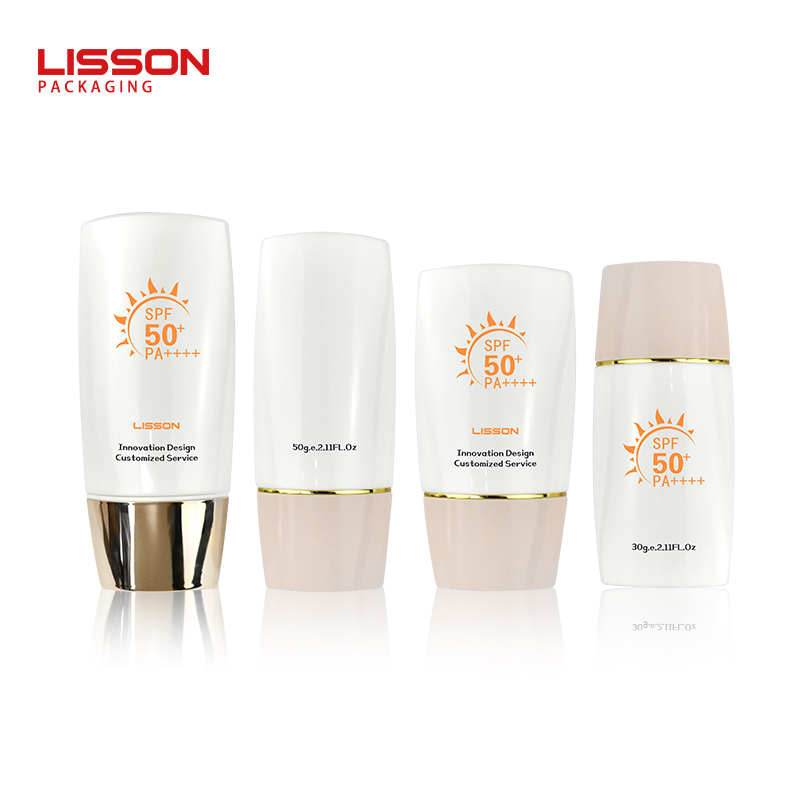
Your formula decides more about the container than any marketing preference does. Active ingredients, solvents, and fragrance oils all interact with the inner wall over time. Chemical compatibility testing reveals whether a resin swells, softens, or stress-cracks after prolonged contact. Run this test with your actual formula, not a generic lotion, because small changes in solvent ratio can shift the outcome.
Black HDPE deserves attention here. It offers a matte finish and strong chemical resistance, which suits solvent-rich or fragrance-heavy products. Treat it as one option among several rather than a default. Natural and white HDPE grades also perform well, and your choice should follow test results. A flexible HDPE sunscreen bottle made from the right grade keeps its shape through repeated squeezing without developing cracks at the shoulder.
Barrier properties complete the picture. HDPE resists moisture well, yet it allows some oxygen and aroma transmission. Packaging engineers address this with wall thickness, internal coatings, or multilayer structures. Good chemical compatibility protects the bottle itself. Solid barrier design protects formula stability and extends shelf life, so evaluate both together during qualification.
Sun care products face a paradox. They protect skin from sunlight while their own contents remain vulnerable to light. An opaque HDPE sunscreen bottle solves this directly by blocking light transmission through the wall. Colored bottles add another layer of light blocking, and darker shades generally deliver stronger light protection than pale ones. Choose opacity and color deliberately for light-sensitive sunscreens such as those built on avobenzone or other photo-degradable actives. UV protection for the contents matters as much as the SPF printed on the label.
Viscosity then shapes the dispensing path. A thin, watery lotion flows quickly and needs a restricted orifice to prevent overdosing. A thick cream demands a wider opening and a softer squeeze. Match the orifice diameter and the squeeze resistance of your sunscreen squeeze bottle to the flow behavior of the fill. Test the pair together, because a stiff bottle with a wide orifice dumps product and a soft bottle with a narrow orifice frustrates users.
Stability testing ties these threads together. Store filled samples under elevated temperature and light exposure, then check for color shift, separation, and weight loss. These results confirm whether your light blocking and barrier choices hold up. Adjust the specification before you commit to tooling, not after.
Compliance starts with the rules that govern your market. In the United States, FDA requirements under 21 CFR Part 700 treat the container as part of the cosmetic product, so the bottle must not contribute unsafe substances to the formula. In the European Union, Regulation (EC) No 1223/2009 places responsibility on the brand for the packed product, including container safety and labeling. Both frameworks expect documented evidence, not verbal assurances.
Ask your supplier for material declarations, migration test reports, and resin certificates before you approve a specification. Lisson supports this step with compliance-ready options and documentation packages that travel with each order. Keep these records current, because auditors and retailers request them long after the shipment arrives. Strong paperwork protects your sunscreen packaging from costly delays at customs or retail onboarding.
Closure selection follows from the bottle, not the other way around. Container diameter, finish width, cap style, and liner must align with the material choice, and a mismatch shows up fast as leakage or a loose fit. A wide finish suits thick creams, while a narrow finish controls flow from a sunscreen squeeze bottle. Liners add a sealing layer, and their compatibility with your formula deserves the same testing you give the bottle wall.
Ergonomics and usage context shape the final call. A beach bottle favors a large cap that sandy hands can grip, and a flip-top keeps the closure attached during application. A gym bag size rewards a compact profile with a secure screw cap that resists pressure. Treat material, size and closure as one decision, then confirm the assembly holds shelf life targets in transit and stability trials.
Recycled content gives your sunscreen packaging a credible environmental story. Post-consumer recycled HDPE carries the same #2 recycling stream identity as virgin resin, and many molders now offer blends that meet food- and cosmetic-contact expectations. Specify the recycled percentage you want and ask for documentation that traces the source. Higher recycled content can shift color and odor slightly, so test samples with your actual fill before you lock the blend.
Lightweighting cuts material use without changing the resin. You reduce gram weight per bottle by trimming the wall where strength allows and by optimizing the shoulder and base geometry. A well-designed lightweight hdpe sunscreen bottle still survives drop tests and repeated squeezing. Push too far and the wall flexes, the cap fit loosens, or the bottle dents in transit. Set a minimum wall thickness from your testing, not from a target weight alone.
Unit price tells only part of the story. Total cost per unit adds tooling amortization, scrap rate, freight weight, filling line speed, and leakage claims. A cheaper bottle that jams your filler or leaks in transit costs more than its invoice suggests. Weigh each line item against the volume you plan to order, because tooling spreads across a large run and barely moves a small one.
Balance comes from matching spend to risk. A sunscreen squeeze bottle for a premium formula justifies tighter barrier specs and a higher recycled content. A high-volume value line rewards a lean wall and a standard closure. Run the numbers per unit at your real order quantity, then compare two or three qualified options side by side. This approach keeps hdpe costs honest and prevents over-engineering.
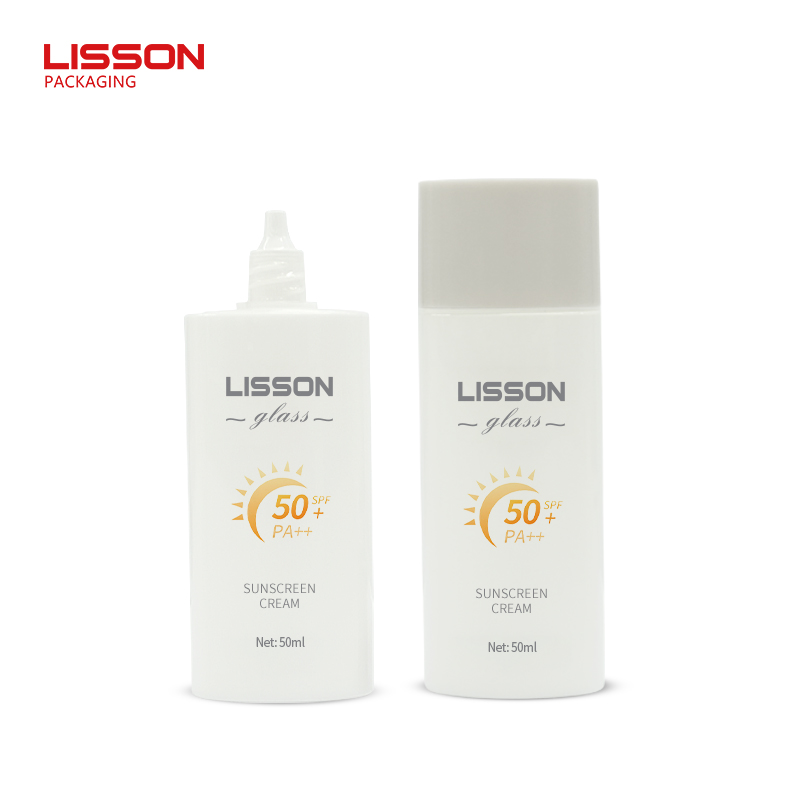
You now hold every criterion in hand. Tie them together in one written specification before you contact any supplier. Work through these steps in order:
Lock the resin grade and melt index against your fill's solvent load and your target squeeze feel.
Set a minimum wall thickness from drop and squeeze testing, not from a weight target.
Define barrier needs: opacity level, color, and any coating or multilayer structure.
Match the finish width, cap style, and liner to your viscosity and usage context.
Collect compliance documents for your target markets.
Specify recycled content percentage and request traceability records.
Calculate total cost per unit at your real order quantity.
Each line item interlocks with the next. A change to wall thickness can force a new closure, and a higher recycled blend can shift color enough to affect light blocking. Write the specification as a single controlled document, then revise it only after test data justifies the change. This discipline helps you choose right hdpe sunscreen bottle specs that hold together as a system rather than a pile of separate choices.
Paper specifications fail in the real world. Request physical samples and test them with your actual product before you approve tooling. Lisson supports this stage with sampling programs and side-by-side trials, so you can sample hdpe and pet bottles from one source and compare them under identical conditions.
Run compatibility trials first. Fill each candidate sunscreen squeeze bottle with your production formula and store it under elevated temperature and light exposure. Check for swelling, stress cracks, color shift, and weight loss. Follow with drop tests on filled units and repeated squeeze cycles to confirm wall performance. Then verify the closure assembly: cap torque, liner seal, and leakage under pressure. A sunscreen squeeze bottle that passes filling but fails transit will cost far more than the samples did.
Compare results across at least two qualified options. Keep the test reports with your specification document. When you choose right hdpe sunscreen bottle for a production run, those records justify the decision to your team, your retailer, and any auditor who asks. The same evidence protects your packaging investment through every reorder.
Five criteria decide the outcome: resin grade, wall thickness, barrier properties, closure compatibility, and regulatory compliance. They interlock, so a change to one reshapes the others. Settle formulation fit first, then optimize cost.
Use the checklist as your working document. Request samples of each candidate sunscreen squeeze bottle and test them with your real fill before you commit to a production run. That evidence lets you choose right hdpe sunscreen bottle specs with confidence.
An experienced hdpe sunscreen bottle supplier shortens this path. Lisson pairs grade selection, sampling, and compliance paperwork with reliable sunscreen packaging support, so your next bottle launches on schedule.
These common questions cover the final checks before you commit. Each answer ties back to your sunscreen formula, your packaging line, and your chosen bottle.
Request samples and fill each bottle with your actual sunscreen. Run compatibility, drop, and squeeze trials. Check the closure for leaks. Compare two qualified options, then keep the sunscreen test reports with your specification.
Yes. Post-consumer recycled resin works in cosmetic packaging, and you can specify the percentage. Test color and odor with your sunscreen fill first. Ask for traceability records, then confirm the packaging meets your market rules for sunscreen products.
Both fit sun care. PET offers clarity and rigidity. An hdpe sunscreen bottle delivers squeeze dispensing and chemical resistance. Match the material to your formula, your sunscreen shelf strategy, and your light-sensitivity needs.
Match finish width, cap style, and liner to your bottle. Test cap torque and leakage under pressure. A beach bottle favors a large grip cap. A gym bag size rewards a compact, secure screw cap that holds your sunscreen bottle safely.
Ask for material declarations, migration test reports, and resin certificates. Keep them current. Retailers and auditors request these records long after shipment. Strong paperwork protects your sunscreen packaging and speeds retail onboarding for every sunscreen packaging order.