You must balance formula protection, ergonomic dispensing, and visual appeal when selecting the ideal eye cream bottle for your brand. Future Market Insights projects the global eye cosmetic packaging market to reach USD 1.8 billion in 2025. Cosmetic companies face a distinct technical challenge during product design. You need to shield active ingredients in eye creams against air exposure and microbial contamination. Proper hygiene remains essential for sensitive formulas applied near the delicate eye. Selecting high quality skincare packaging with hygienic designs guarantees a sanitary user experience. Modern container solutions combine strong protection with precise application control for optimal daily results.
Match your eye cream thickness with the right bottle format to ensure smooth daily dispensing.
Use airless pumps and glass containers to protect active ingredients from air, light, and germs.
Choose sustainable materials like PCR plastics and refillable jars to build customer loyalty and reduce waste.
Test container seals and print legible labels to guarantee product safety and create a premium look.

Selecting skincare packaging requires matching formula viscosity directly with your dispensing system. Choosing an eye cream bottle depends heavily on product flow. Fluid formulas like caffeinated eye serums flow easily through narrow nozzles and rollerballs. Heavy formulas require stronger draw, wider internal channels, and steady pressure. The wrong container format causes clogged components or uncontrolled dispensing. Brands utilize several primary cosmetic packaging formats globally.
|
Format |
Common Formula Pairings |
Market Characteristics |
|---|---|---|
|
Press-down pump jar |
Caffeine-peptide gel (15 ml), Retinol cream (20 ml) |
Signals quality; supports a 15–20% price premium over standard jars |
|
Dropper bottle |
Vitamin C eye serum (10 ml) |
Ideal for low-viscosity liquid formulations |
|
Standard squeeze tube |
Baseline hydrating eye creams |
Cost-effective option with standard squeeze action |
|
Paired gift box |
Day and Night Duo (2x15 ml) |
Secondary SKU format for paired purchases |
Cosmetic airless pump bottles provide superior formula protection for sensitive ingredients like retinol and antioxidants. The vacuum piston mechanism prevents air exposure during daily operation. This airless system keeps oxygen out of the container and extends product shelf life significantly. You protect delicate ingredients against oxidation while delivering a metered dosage per stroke.
Using cosmetic airless pump bottles eliminates direct finger contact, preventing microbial contamination. These containers allow near-complete formula evacuation to minimize product waste for consumers. Small 10 ml to 20 ml airless pump bottles deliver clean, hygienic dispensing.
For higher-viscosity creams, airless jars offer a robust packaging alternative. These containers feature a press-down disc dispensing product without exposing the main reservoir to external air. Premium brands choose airless jars cosmetic packaging to signal product quality to customers. Using airless jars supports a 15–20% price premium over open containers. Incorporating reliable airless jars into your luxury line elevates brand authority.
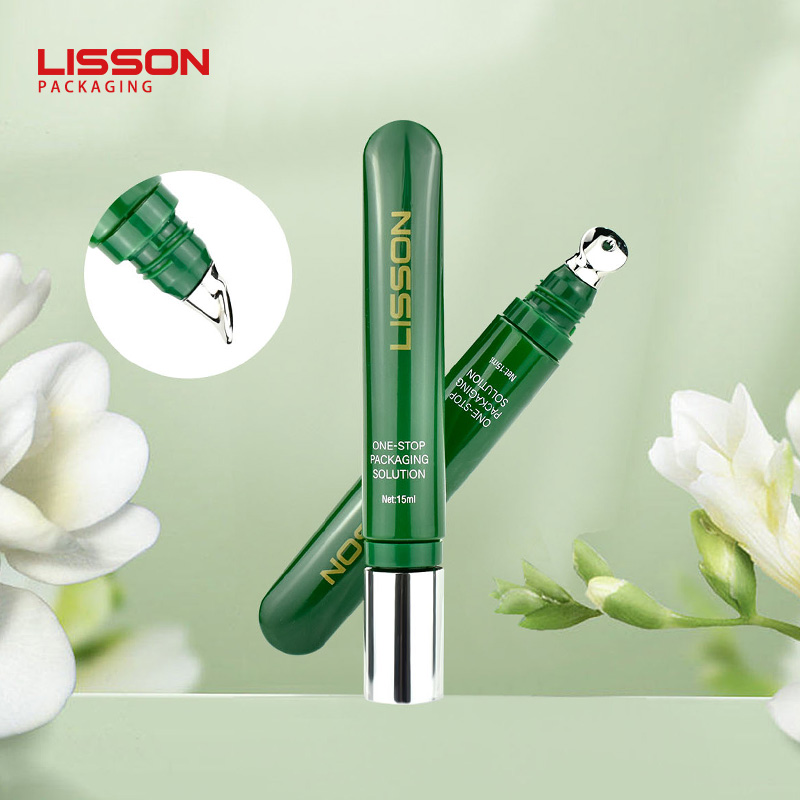
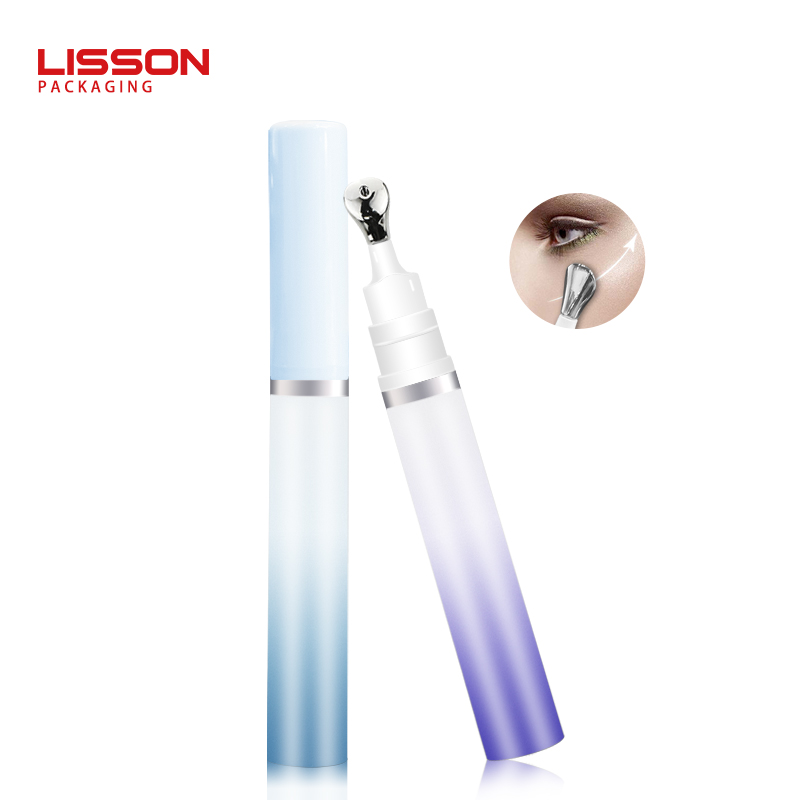
Integrated applicators in modern packaging enhance consumer experience through precise application around the eye contour. A specialized eye cream tube with metal applicator creates an immediate cooling sensation. Steel, aluminum, and zinc-alloy tips glide smoothly across delicate skin to calm puffiness and stimulate microcirculation. Ceramic tips hold coolness longer, offering a smooth, hypoallergenic touch for sensitive skin.
If you manufacture fluid treatments, choose an eye serum tube with zinc alloy applicator to combine targeted delivery with massage benefits. These integrated tips promote hands-free hygienic delivery in skincare packaging while reducing formula waste. Lightweight tubes also serve as travel-friendly packaging fitting easily into small cosmetic bags.
Designing small-scale skincare packaging requires careful attention to print specifications. Curved surfaces on small bottles and tubes limit available artwork space. You must maintain a minimum font size of 6–8 pt for legal ingredient lists. Container size also dictates available surface area for graphics. Printers must use 600 DPI resolution for containers under 1 oz size for clean output. Solid white underlays behind ingredient copy prevent tube color bleed-through and maintain contrast.
You must plan layout dimensions around non-printable tube seal areas to prevent cutting off regulatory text. Print layout size must fit precisely within the active printable area. Thermal transfer printing with resin ribbon on polyester creates durable labels resisting water and skin oils. Proper print settings guarantee that every small eye cream bottle and tube displays legible branding.
By 2025, 80% of beauty brands prioritize eco-friendly choices to meet customer demand for green products. You safeguard sensitive skincare packaging formulations through chemically inert glass containers. Glass creates an impermeable non-porous barrier against external oxygen, ambient humidity, and microbial intrusion. Amber glass blocks up to 99% of harmful UV rays. Sensitive active ingredients like retinoids and vitamins retain full potency inside protective glass bottles. You preserve formulation pH levels over extended storage periods without risking unwanted chemical leaching into creams.
Aluminum metal containers offer lightweight, airtight protection against product oxidation. Highly reactive formulas require protective internal linings to prevent direct chemical interaction with pure metal surfaces. Glass represents the fastest-growing material segment with a 5.5% CAGR in global beauty packaging. Choosing glass bottles or treated metal vessels improves overall product stability while delivering premium visual appeal in modern skincare packaging.
Post-consumer recycled (PCR) plastics lower your total environmental footprint while conserving precious raw materials. Advanced technical manufacturing processes integrate 30–50% PCR content into durable plastic airless bottles without sacrificing structural strength or clarity. For instance, a container crafted with 40% PCR polypropylene achieves a 25% lower carbon footprint than standard virgin plastic containers. Utilizing high-quality airless bottles constructed with recycled resins inside compact bottles protects your skincare packaging lines while guaranteeing smooth dispensing without chemical degradation.
Adopting refillable packaging deepens customer brand loyalty while cutting single-use plastic waste across global markets. You can supply durable outer shells alongside lightweight replaceable inner cartridges. Premium airless jars allow consumers to insert fresh cream refills cleanly. Modern airless jars cosmetic packaging protects sensitive formulas from air exposure during routine cartridge swaps. Companies utilizing refillable airless jars lower long-term shipping costs while promoting corporate sustainability. Incorporating eco-friendly packaging empowers your brand to deliver high-performance sustainable cosmetic packaging solutions to conscious consumers everywhere.
You must evaluate exact engineering standards to guarantee formula stability. Advanced dispensing technology blocks external oxygen and microbial intrusion. This airtight mechanism extends product shelf life without relying on heavy preservative systems. Blocking ambient air prevents formula breakdown and stops bacterial contamination. High-performance cosmetic airless pump bottles safeguard sensitive active ingredients from oxidative degradation. Maintaining ideal hygiene standards relies on hermetic sealing across every component. Modern containers offer total formula protection against environmental exposure and air contact. Eliminating direct skin contact maintains a sanitary dispensing process for consumers.
Rigorous testing standards confirm seal integrity for specialized beauty packaging. Manufacturers perform specific quality checks to verify complete container stability under severe transport conditions:
|
Standard |
Relevant cosmetic packaging test purpose |
|---|---|
|
ASTM D3078 |
Leak testing to verify closure and seal integrity. |
|
ASTM D5276 |
Drop testing for survival of transit shock. |
|
ASTM D999 |
Vibration testing for survival of freight vibration. |
|
ISO 4892-2 |
Light exposure for pigment and material stability. |
|
ISO 11607-1 |
Sterile barrier validation and stress resistance. |
Engineers subject every batch to strict vacuum pressure checks. Placing filled cosmetic airless pump bottles under a -0.06 MPa vacuum reveals potential seal defects. Thermal endurance tests expose containers to 50°C for 24 hours and -10°C for extended periods. Quality assurance teams perform drop impact tests from a height of 1.2–1.5 meters. These test protocols ensure no leakage or deformation occurs in production bottles. Silicone gaskets in AS plastic bottles form flexed internal seals. Reinforced neck seals with hot stamping strengthen barrier performance during transit.
Accurate dosage control ensures consistent daily product application. Small-dose airless dispensing systems deliver precise formula amounts without wasting delicate treatments. Choosing Lisson precision pumps guarantees exact calibration per stroke across production batches. A 15 ml serum vacuum container can deliver 0.15 ml per actuation. A 30 ml container dispenses 0.2–0.5 ml per stroke. Piston airless pumps maintain a ±3% variance, whereas springless pumps achieve a ±4% variance. Standard non-airless pumps exhibit a wider ±10% variance. Selecting the correct pump engine size optimizes flow rates for varied cream viscosities. Container neck size influences overall fluid draw resistance during actuation.
You must conduct formula compatibility testing before finalizing mass production packaging runs. Running sample-level leakage, dosage, and squeeze force tests prevents unexpected chemical degradation. Testing determines exact physical properties across varied temperature settings.
Manufacturers must evaluate formula viscosity, active ingredient systems, pH, oxygen sensitivity, and shelf-life targets during initial sample testing under ISO 22716 packaging guidelines.
Modern vacuum systems keep sensitive retinoids and peptides stable over extended storage periods. Premium airless jars preserve high-viscosity formulations cleanly. Brands choose airless jars to deliver metered disc dispensing without exposing contents to air. Utilizing airless jars prevents ambient contamination during everyday consumer use. Compact cosmetic airless pump bottles offer ideal dosing for low-viscosity eye treatments. Lisson engineered pumps prevent liquid backflow, blocking external contamination risk. Selecting the correct container size prevents formula degradation in small bottles during storage. Small packaging size reduces head space air pockets. Matching container size with product shelf-life targets ensures formula freshness. Proper package size control optimizes active ingredient potency throughout daily application.
You build strong brand visual authority by choosing high-performance surface decorations for small skincare packaging formats. Curved container designs make label readability challenging. You can apply matte lamination to create a non-glare finish. This finish keeps fine text legible under retail lights. Hot foil stamping adds metallic contrast to highlight your logo. Spot UV coatings protect artwork from daily wear while emphasizing key product benefits. Choosing clear typography guarantees that essential regulatory copy remains sharp regardless of container size.
|
Decoration Technique |
Aesthetic Benefit |
Legibility and Durability Advantage |
|---|---|---|
|
Matte lamination |
Micro-frosted elegance |
Reduces glare and resists fingerprint smudges |
|
Hot foil stamping |
Dimensional metallic luster |
Enhances visual hierarchy with crisp lines |
|
Spot UV varnish |
Selective high-gloss shine |
Shields printed labels against moisture and scuffs |
Compact airless bottles protect sensitive formulas while offering modern decoration surfaces. Modern airless dispensing mechanisms prevent oxidation during routine use. Smooth plastic components allow high-resolution artwork placement across small bottles. You can select custom formulas in an eye cream tube with metal applicator to offer sensory cooling. Matching outer aesthetics with smooth skincare packaging dispensing components improves consumer trust. Selecting the right pump size maintains consistent daily output without cluttering exterior panels.
Adopting eco-friendly choices allows your business to capture growing consumer market demand. Monomaterial packaging designs utilize single-material polypropylene construction to simplify recycling streams. Integrating eco-friendly packaging demonstrates clear environmental leadership while preserving high-end visual appeal. Modern refillable airless systems let consumers retain luxury outer shells while replacing internal cartridges easily. This sustainable design lowers long-term production waste significantly.
You enhance brand reputation by adopting transparent sustainability standards. Using sustainable cosmetic packaging builds strong customer loyalty across premium market segments. Compact glass bottles offer complete chemical inertness and timeless luxury appeal. Modern airless containers shield sensitive actives while an airless system maintains low carbon footprints. Matching precise neck size specifications prevents formula leakage inside compact bottles during transit. Deploying eco-friendly packaging solutions aligns your product line with modern consumer values.
You must evaluate formula protection, barrier properties, user experience, and sustainability goals before choosing packaging. Airless technology protects sensitive active ingredients from ambient air. Selecting an eye cream bottle crafted with eco-friendly materials elevates your brand image while meeting international safety standards.
You can finalize packaging specifications with suppliers like Lisson using this step-by-step technical decision checklist:
|
Checklist Category |
Technical Specifications to Verify |
Primary Business Benefit |
|---|---|---|
|
Format & Materials |
Airless pumps, opaque tubes, or metal applicators |
Aligns packaging with premium positioning |
|
Formula Protection |
Light-resistant airless containers meeting regulatory stability standards |
Prevents active ingredient degradation effectively |
|
Usability & Compliance |
Airless precise dosing and complete compliance documentation |
Improves daily user experience continuously |
You protect active ingredients from oxygen degradation using an airless dispensing system. Selecting cosmetic airless pump bottles extends shelf life and prevents microbial contamination. Modern skincare packaging delivers precise dosage control while protecting active retinoids.
Standard airless pump bottles dispense liquid serums easily. Conversely, airless jars utilize a press-down disc mechanism for heavy creams. Both vacuum systems prevent air exposure while handling varied formula viscosities cleanly.
Small tubes offer durable convenience for consumers on the go. You can pair a portable size format with an eye serum tube with zinc alloy applicator to deliver targeted cooling benefits. These compact bottles fit easily into cosmetic bags while providing leakproof protection.
Adopting refillable options lowers single-use plastic waste and long-term shipping costs. You build customer loyalty by supplying outer shells with replaceable cartridges. Choosing sustainable skincare packaging elevates your brand image. Matching container size with formulas keeps liquid treatments fresh across production bottles.
Lisson Mansion , No.2-36 Yongfa Road, Huadu District,Guangzhou CHINA
+8615099958531
lissontube@gzlisson.com