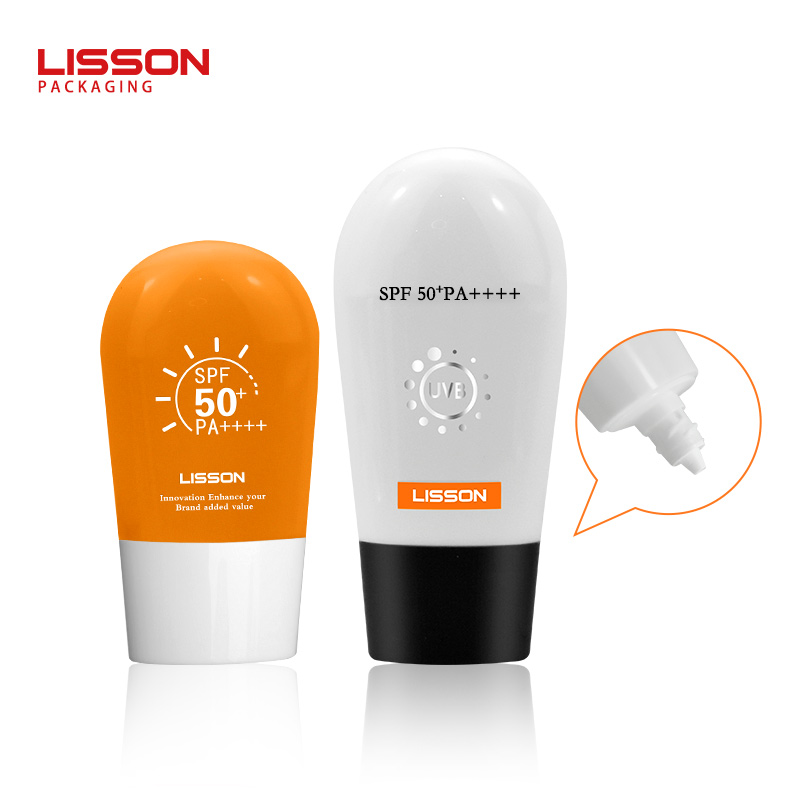
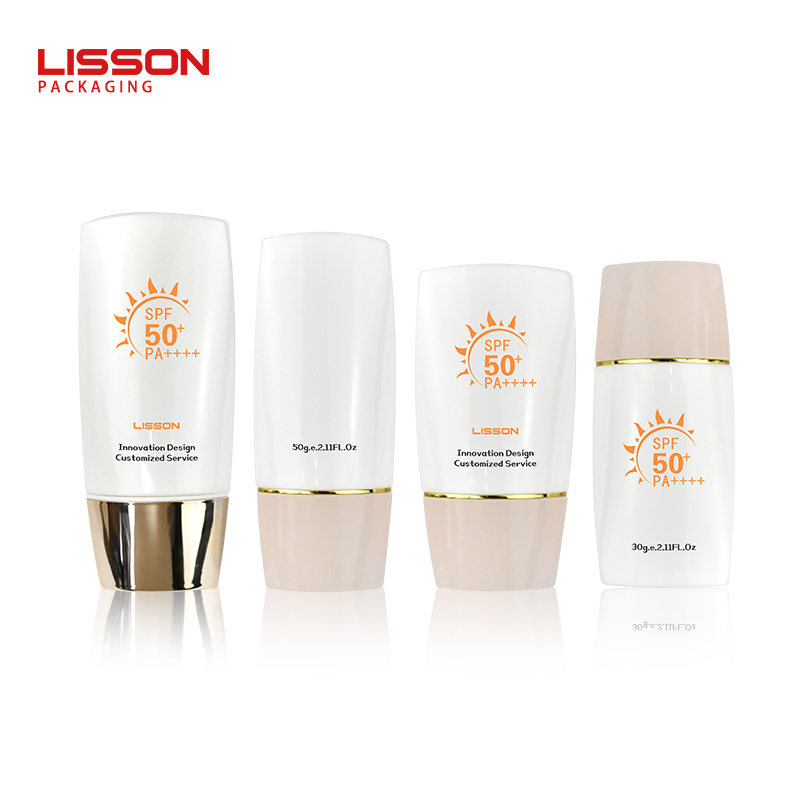
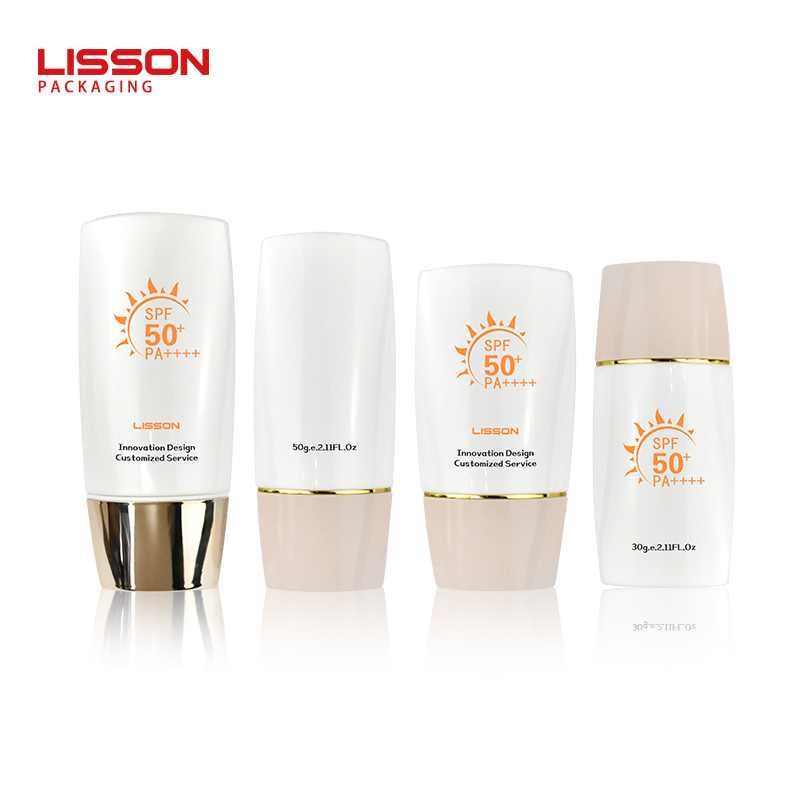
HDPE is the ideal material for sunscreen bottles. It earns that position on four counts: technical performance, application fit, regulatory compliance, and cost-effectiveness.
Sunscreen brands face a real packaging dilemma. Formulas carry UV filters and oils. These ingredients demand a contai...
Five criteria decide whether an HDPE sunscreen bottle serves your product well: resin grade, wall thickness, barrier properties, closure compatibility, and regulatory compliance. Each one shapes how the package performs on the shelf and in the customer's hand.
You will also face a central tra...
Vitamin C is widely used in skincare products such as brightening serums, antioxidant treatments, facial lotions, and daily moisturizers. However, packaging selection can be challenging because some vitamin C formulations are sensitive to oxygen, light, temperature, and repeated exposure during use...
Lightweight plastic bottles are becoming increasingly popular in cosmetic packaging because they offer a practical balance of durability, convenience, design flexibility, and transportation efficiency. From facial cleansers and moisturizers to shampoos, body lotions, and sunscreen, more beauty bran...
As sustainability becomes an increasingly important consideration in the beauty industry, cosmetic brands are rethinking how their products are packaged. Consumers are paying closer attention to packaging materials, recyclability, and the environmental impact of everyday skincare and personal care...