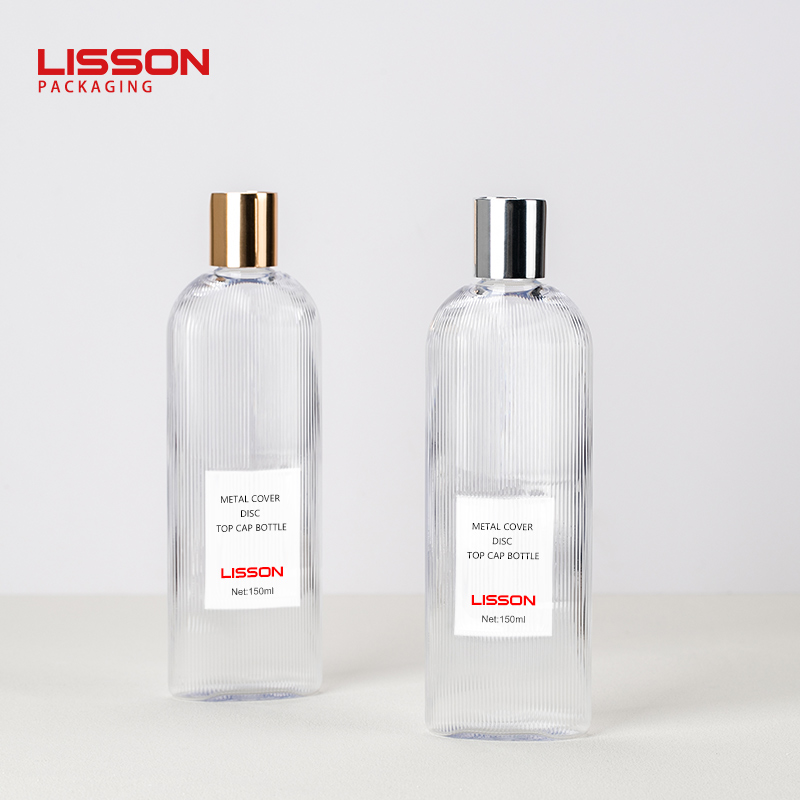
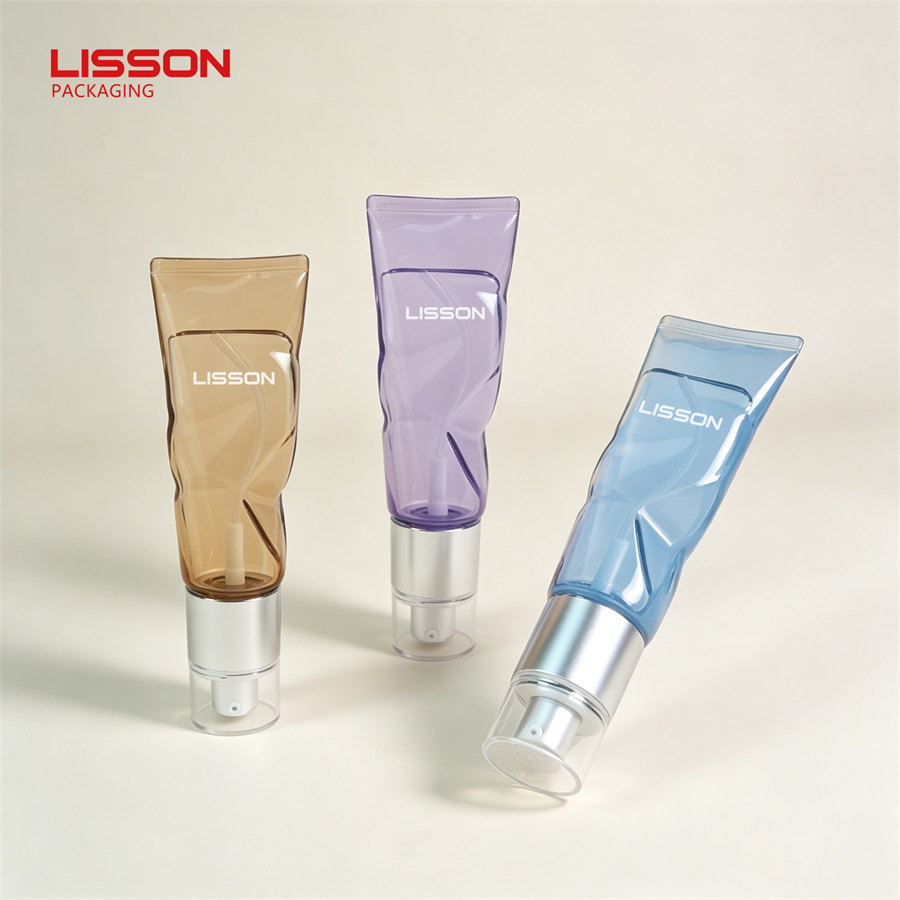
When you choose the best material for a cosmetic bottle, PET stands out for its popularity and versatility. Many brands select a PET cosmetic bottle because it offers transparency and durability, making it ideal for serums and oils. Over 80% of consumers say clear packaging builds trust and recognition. You need to match the material with your product’s needs, your brand’s values, and what your market expects. The right choice balances product compatibility, sustainability, cost, safety, and brand image. Consider both technical performance and how the packaging supports your brand story.
Key Takeaways
-
Choose PET bottles for their clarity and durability, making them ideal for serums and oils.
-
Select PCR bottles to demonstrate your commitment to sustainability and appeal to eco-conscious consumers.
-
Consider PE bottles for their flexibility and chemical resistance, suitable for lotions and creams.
-
Always verify that your chosen packaging meets safety and regulatory standards to ensure product quality.
-
Align your packaging choice with your brand values and market expectations to build trust and recognition.
Why Cosmetic Bottle Selection Matters
Product Compatibility
You must select a cosmetic bottle material that matches your product’s formulation. Cosmetic ingredients often react with packaging, which can affect shelf life and quality. For example, a PET cosmetic bottle offers strong chemical resistance, making it suitable for many skincare products. However, sensitive formulations may require a PE cosmetic bottle or glass to prevent unwanted reactions. PCR cosmetic bottle options sometimes show variability in mechanical properties, which can impact both aesthetics and protection. Robust barrier properties are essential for protecting active ingredients from environmental factors. The table below shows how material choice influences product quality and shelf life:
|
Requirement |
Recommended Materials |
Functional Benefit |
|---|---|---|
|
UV Protection |
Amber/Cobalt Glass, Opaque HDPE, Aluminum |
Blocks light wavelengths that degrade photosensitive active ingredients. |
|
Chemical Resistance |
HDPE, PP, Glass, PETG |
Prevents material-formulation interaction, leaching, and product 'eating' through the walls. |
|
Barrier Protection |
Glass, Aluminum, Airless Systems, EVOH-layer |
Extends shelf life by preventing oxidation and moisture contamination. |
Brand Image and Sustainability
Your packaging material shapes how consumers view your brand. High-quality materials, such as glass or a PET cosmetic bottle, signal luxury and reliability. Well-designed packaging builds trust and recognition. Consumers often associate a plastic skincare bottle made from recycled plastic bottle materials with eco-conscious values. Sustainability trends drive brands to invest in innovative solutions, including monomaterial packaging and biofabricated options. You can choose a PCR cosmetic bottle to highlight your commitment to sustainability. Bioplastics and bio-designed packaging are gaining popularity for their compostable properties. Using sustainable materials helps you stand out in a crowded market.
-
High-quality packaging materials, like glass, are linked to perceptions of luxury and reliability.
-
Well-designed packaging enhances consumer trust and brand recognition.
-
Consumers associate high-quality packaging with high-quality products, increasing their likelihood to purchase.
-
There is a growing demand for eco-friendly packaging options in the cosmetics industry.
-
Brands are increasingly investing in innovative materials to replace traditional plastics.
Safety and Regulations
You must ensure your cosmetic bottle meets strict safety and regulatory standards. Regulatory bodies in the US and EU require compliance for PET cosmetic bottle, PCR cosmetic bottle, and PE cosmetic bottle materials. The Packaging and Packaging Waste Regulation mandates minimum recycled content targets for contact-sensitive PET packaging. The FDA provides guidance for PCR materials in food-contact applications, focusing on safety and purity. Safety certifications, such as ISO quality management and SGS testing, validate product quality and manufacturing consistency. RoHS compliance restricts hazardous substances in packaging. REACH-related material control addresses chemical registration and authorization. Sustainability certifications support claims for recycled plastic bottle materials. Recycled material documentation is required for PCR cosmetic bottle products.
|
Certification Type |
Description |
|---|---|
|
ISO quality management |
Ensures product quality and manufacturing consistency. |
|
SGS testing |
Provides assurance of safety and compliance with standards. |
|
RoHS compliance |
Ensures that hazardous substances are restricted in the packaging materials. |
|
REACH-related material control |
Addresses the registration, evaluation, and authorization of chemicals in the materials used. |
|
Sustainability certifications |
Validates the eco-friendliness of recycled or eco-friendly materials used in cosmetic packaging. |
|
Recycled material documentation |
Required for PCR cosmetic tubes to support sustainability claims based on sourcing. |
Tip: Always consult with your packaging supplier to verify safety certifications and regulatory compliance for your chosen material.
PET Cosmetic Bottle Overview

Key Properties and Benefits
When you select a PET cosmetic bottle for your product line, you gain access to a range of advantages that set this material apart in the packaging industry. PET, or polyethylene terephthalate, offers a unique combination of clarity, strength, and safety. You can see the product inside, which builds consumer trust and enhances shelf appeal. The lightweight nature of PET reduces shipping costs and minimizes the risk of breakage during transport. This material also stands out for its durability, making it a reliable choice for high-quality cosmetic bottles.
The following table summarizes the main physical and chemical properties that make PET suitable for cosmetic packaging:
|
Property |
Description |
|---|---|
|
Chemical Stability |
PET does not easily react with acids, bases, or oils found in cosmetics. |
|
Non-Toxicity |
PET is free from harmful substances like BPA and phthalates. |
|
Lightweight and Durable |
Strong and resistant to breaking, ensuring safe transport and reduced loss. |
|
Recyclability |
Widely recycled, making it a sustainable choice. |
|
Oxygen Barrier |
Limits oxygen exposure, preventing degradation of sensitive ingredients. |
|
Moisture Barrier |
Maintains product consistency by preventing moisture exchange. |
|
UV Protection |
Additives can be used to block UV light, protecting sensitive formulas. |
You benefit from PET’s FDA approval for direct food contact, which extends to cosmetics. This approval confirms the non-toxic and stable nature of a PET cosmetic bottle. You can also count on PET’s recyclability, which supports your sustainability goals and appeals to eco-conscious consumers seeking recyclable materials.
Tip: Choose amber PET for products sensitive to UV light. This option provides enhanced protection compared to clear PET, helping you maintain product integrity.
Common Applications in Cosmetics
You will find PET cosmetic bottles in a wide range of beauty and personal care products. Their clarity and strength make them a top choice for brands that want to showcase their formulas while ensuring safety and convenience. Here are some common uses:
-
Facial serums and oils that require a clear, attractive presentation.
-
Shampoos, conditioners, and body washes, where durability and leak resistance are essential.
-
Lotions and creams that benefit from PET’s barrier properties, which help preserve active ingredients.
-
Toners and mists, where a lightweight, shatter-resistant bottle improves user experience.
-
Travel-size products, as PET’s strength and low weight reduce the risk of spills and breakage.
Many brands choose PET cosmetic bottles for their plastic skincare bottle lines because they combine visual appeal with practical performance. You can easily customize PET bottles with different shapes, colors, and finishes to match your brand identity.
Limitations and Considerations
While PET offers many advantages, you should consider its limitations before finalizing your packaging decision. PET may not withstand exposure to aggressive solvents or essential oils. Ingredients such as acetone, MEK, and toluene can compromise the integrity of a PET cosmetic bottle, making it unsuitable for products containing these chemicals.
PET’s recyclability rate is higher than most other plastics, but colored PET bottles face recycling challenges. PET can typically be recycled about four times before the material quality declines. Improper disposal of PET can contribute to environmental pollution, and the production process relies on nonrenewable petroleum sources.
You should also note that PET, while durable, may not perform as well as glass or certain engineered plastics under extreme heat. For products that require complete UV protection, you need to select amber PET or consider additional additives.
-
PET may not suit all formulations, especially those with strong solvents.
-
The recycling process for PET has limitations, and not all PET bottles enter the recycling stream.
-
PET production depends on fossil fuels, which impacts its overall environmental footprint.
Despite these considerations, PET remains the most widely used material for high-quality cosmetic bottles. Its balance of clarity, durability, safety, and sustainability makes it a leading choice for brands seeking reliable and attractive packaging.
PCR and PE Bottles
PCR: Sustainability and Use Cases
You can choose a PCR cosmetic bottle to demonstrate your commitment to sustainable options in cosmetic packaging. PCR stands for post-consumer recycled, meaning the bottle uses recycled plastic bottle material collected from consumers. This approach supports the circular economy and reduces environmental impact. You help minimize landfill waste and lower energy consumption by selecting PCR bottles. You also reduce dependency on fossil fuels and protect natural resources.
-
PCR bottles extend the life of plastics, keeping them out of landfills and oceans.
-
You lower greenhouse gas emissions, contributing to cleaner air and water.
-
PCR cosmetic bottle options allow you to showcase eco-conscious values and appeal to environmentally aware customers.
Brands often use PCR bottles for lotions, creams, and plastic skincare bottle lines. You can highlight your sustainability story by using PCR cosmetic bottle packaging.
PE: Types and Applications
You may select a PE cosmetic bottle for products that require flexibility or durability. PE stands for polyethylene, which includes HDPE (high-density) and LDPE (low-density) types. HDPE bottles are strong and rigid, making them ideal for lotions, shampoos, and conditioners. LDPE bottles are softer and more pliable, suitable for gels, creams, and squeezable tubes.
|
Feature |
HDPE |
LDPE |
|---|---|---|
|
Density |
High |
Low |
|
Strength |
Strong and rigid |
Softer and more flexible |
|
Chemical Resistance |
Excellent |
Good |
|
Transparency |
Opaque to semi-transparent |
More transparent |
|
Flexibility |
Rigid |
Pliable and squeezable |
|
Recyclability |
Widely recyclable |
Recyclable, but less common |
|
Cost |
Affordable |
Slightly more expensive |
|
Best for |
Lotions, shampoos, conditioners, liquid soaps |
Gels, creams, squeezable tubes, facial cleansers |
You benefit from HDPE’s durability and chemical resistance. LDPE offers lightweight packaging, ideal for travel-sized products. Both types support a wide range of cosmetic applications.
Comparing PCR and PE to PET
You need to compare PCR cosmetic bottle and PE cosmetic bottle options to PET cosmetic bottle choices to find the best fit for your product. PET bottles offer clarity and rigidity, making them popular for serums and toners. HDPE bottles provide durability and flexibility, suitable for lotions and creams. PCR bottles deliver sustainability benefits and help you reduce your environmental footprint.
|
Bottle Type |
Advantages |
Applications |
Recycling |
|---|---|---|---|
|
HDPE |
Durability, flexibility, chemical resistance |
Lotions, creams, shampoos |
Widely accepted, opaque finish limits reuse |
|
PET |
Clarity, rigidity, premium surface finishing |
Serums, toners, travel-sized products |
Strong recycling infrastructure, used in many containers |
You can select the material that aligns with your brand’s values and product requirements. Each bottle type offers unique benefits for cosmetic packaging.
Tip: Consult your packaging supplier to ensure the material meets your product’s needs and regulatory standards.
Material Comparison and Decision Factors

Material Comparison
When you evaluate cosmetic bottle selection, you need to compare the core properties of PET, PCR, and PE bottles. Each material offers unique strengths and limitations for cosmetic packaging. The table below highlights key differences in barrier properties, durability, and recyclability:
|
Property |
PET Cosmetic Bottle |
PE Cosmetic Bottle |
PCR Cosmetic Bottle |
|---|---|---|---|
|
Barrier Properties |
Excellent against oxygen and moisture |
Varies, generally lower than PET |
Varies, may differ from virgin PET |
|
Durability |
Strong and impact-resistant |
Flexible, varies by density |
May have reduced strength vs. virgin PET |
|
Recyclability |
Highly recyclable |
Recyclable, especially HDPE |
Offers environmental benefits, but may have challenges in properties |
You should choose plastic bottles based on your product’s needs. PET cosmetic bottle options provide clarity and strength, making them ideal for serums and toners. PE cosmetic bottle choices offer flexibility and chemical resistance, which work well for lotions and creams. PCR cosmetic bottle solutions support sustainability goals and appeal to eco-conscious consumers, though they may show slight variations in quality compared to virgin PET.
Luxury brands often prioritize high-quality cosmetic packaging that features custom designs and premium materials. These brands use packaging to convey exclusivity and emotional value, which can justify higher prices. Mass-market brands focus on functionality and cost-effectiveness, selecting materials that balance quality and affordability. You should align your cosmetic bottle selection with your brand’s market position and customer expectations.
Sustainability Impact
Sustainability plays a critical role in cosmetic packaging options today. You can reduce your environmental footprint by choosing recycled plastic bottle materials or PCR cosmetic bottle packaging. The carbon footprint of manufacturing 100% PCR PET is 60% lower than that of virgin PET, even when you include energy costs for collection, recycling, and remanufacturing. Using PCR plastics reduces reliance on fossil fuels and lowers both energy consumption and emissions. In some cases, PCR plastics can lead to a 79% reduction in energy use and a 67% decrease in emissions, depending on the type of recycled plastic.
Eco-friendly cosmetic packaging is increasingly important to consumers. Brands that use glass or aluminum can further enhance their image as environmentally responsible. Biodegradable and recyclable options are also favored by many customers. When you select sustainable packaging solutions, you not only meet regulatory requirements but also build trust with your audience.
Note: Highlight your use of recycled plastic bottle or PCR cosmetic bottle materials in your marketing to attract environmentally conscious buyers.
Cost and Supply
Cost and supply chain factors can influence your cosmetic bottle selection. PET cosmetic bottle and PE cosmetic bottle options are widely available and benefit from established recycling systems. However, the supply of PCR cosmetic bottle materials depends on recycling rates and feedstock availability. Processing capacity for recycling plants has increased by 18% year-on-year, but feedstock availability has only grown by 4%. This mismatch can create supply challenges for PCR bottles.
The recycling rate in the United States is around 29%, limited by sorting inefficiencies and cross-contamination in recycling bins. In Southeast Asia, the informal waste sector often lacks documentation for compliance, which complicates the supply chain. The cost of formalizing informal networks can add a 15-20% surcharge to Ocean-Bound Plastic feedstock. You should consider these factors when planning your cosmetic packaging strategy, especially if you rely on recycled plastic bottle materials.
Tip: Work closely with your packaging supplier to secure a reliable source of PCR cosmetic bottle or PE cosmetic bottle materials and to manage costs effectively.
Choosing the Right Bottle
You need to balance quality, sustainability, cost, and brand image when making your cosmetic bottle selection. Start by identifying your product’s compatibility needs. For example, PET cosmetic bottle options offer excellent barrier properties and clarity, making them suitable for serums and toners. PE cosmetic bottle choices provide flexibility and chemical resistance, ideal for lotions and creams. PCR cosmetic bottle solutions help you meet sustainability goals and appeal to eco-conscious consumers.
Consider your brand’s positioning. High-quality cosmetic packaging with custom designs and premium materials works best for luxury brands. Mass-market brands may prefer practical and affordable solutions that still deliver consistent quality. You can also explore alternative cosmetic packaging materials such as acrylic, PETG, or PP, each offering unique attributes for different applications.
When you choose plastic bottles, always verify that the material meets safety and regulatory standards. Look for certifications and documentation that support your sustainability claims. Custom molds can create distinctive shapes and enhance your brand identity, but they require more investment and time. Stock shapes offer a cost-effective and efficient solution for new products or brands.
-
Evaluate your product’s formulation and compatibility with each material.
-
Align your packaging choice with your brand’s values and target market.
-
Prioritize high-quality cosmetic packaging to build trust and recognition.
-
Highlight eco-friendly cosmetic packaging in your marketing to attract sustainability-minded consumers.
-
Partner with experienced suppliers to ensure consistent quality and supply.
Remember: The right cosmetic bottle selection supports your product’s performance, reinforces your brand story, and meets the evolving expectations of your customers.
You face many choices when selecting cosmetic packaging for your products. PET cosmetic bottle options offer clarity and strength, making them ideal for a wide range of cosmetic products. PCR cosmetic bottle solutions help you meet sustainability goals by using recycled plastic bottle materials, which appeal to eco-conscious consumers. PE cosmetic bottle choices provide flexibility and chemical resistance, supporting various cosmetic packaging needs. To choose the right bottle, match the material to your product’s formulation, brand values, and market expectations. Consult packaging experts to ensure your cosmetic packaging aligns with both technical requirements and consumer preferences.
Remember: The right cosmetic packaging not only protects your products but also strengthens your brand in a competitive market.
FAQ
What makes PET cosmetic bottles a popular choice for skincare brands?
You often choose PET cosmetic bottles for their clarity, durability, and lightweight design. These cosmetic bottles showcase your product while protecting it from moisture and oxygen. PET cosmetic bottles also support recycling efforts, making them a responsible option for your brand.
Are PCR cosmetic bottles safe for all types of cosmetic products?
You can safely use PCR cosmetic bottles for most cosmetic bottles, including lotions and creams. Manufacturers test these cosmetic bottles for purity and compliance with safety standards. Always confirm with your supplier that PCR cosmetic bottles meet regulatory requirements for your specific product.
How do PE cosmetic bottles compare to other cosmetic bottles in terms of flexibility?
PE cosmetic bottles offer greater flexibility than many other cosmetic bottles. You find these cosmetic bottles ideal for squeezable products like gels and cleansers. Their chemical resistance and durability make PE cosmetic bottles a reliable choice for a wide range of cosmetic bottles.
Why should you consider recycled plastic bottles for your cosmetic packaging?
You help reduce environmental impact when you select recycled plastic bottles for your cosmetic bottles. These cosmetic bottles support sustainability goals and appeal to eco-conscious consumers. Recycled plastic bottles also demonstrate your commitment to responsible sourcing in the cosmetic bottles industry.
Can you use the same cosmetic bottles for both skincare and haircare products?
You can use many cosmetic bottles for both skincare and haircare products. However, you should always check compatibility with your formula. Some cosmetic bottles, like PET cosmetic bottles or PE cosmetic bottles, work well for a variety of applications, ensuring product safety and quality.